Founder
Antoine Sailly
Eight years turning land into neighbourhoods in France, and two advising on a second market from the inside.
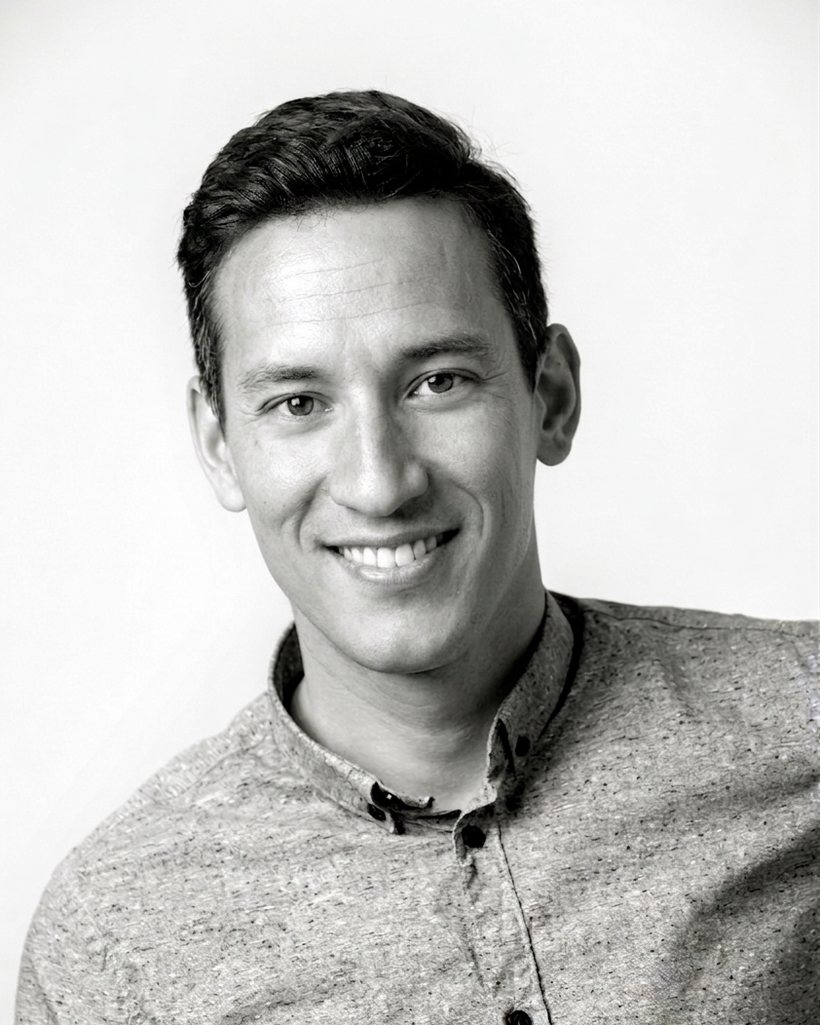
Antoine Sailly · Toulouse & Metro Manila
Eight years turning land into neighbourhoods in France, and two advising on a second market from the inside.
Antoine joined HECTARE, one of France's leading land developers, in 2016, and left in 2023 as Regional Director. In between he opened the group's South West agency — two people at the start, nine when he left, €18m of annual turnover — and took residential schemes from the first conversation with a landowner through consent, infrastructure and delivery. The largest was 118,000 m²: eight hundred future residents, a school, parks and a market square. The smallest was five plots.
The work was specific and unglamorous. Finding land. Testing what it could carry. Negotiating with mayors and planning departments who had no particular reason to help. Briefing architects and engineers. And carrying the file through consultation, objection and appeal to the point where something actually got built.
By the time an architect is appointed, the decisions that decide the outcome have already been made. What the land can carry. Who the buyer is. Whether the municipality will follow. They are the cheapest to get right and the most expensive to reverse. That window is what Latitude was built for.
He holds a double Master's in Urbanism and Spatial Planning from Lille — majoring in sustainable construction and spatial planning, and in land engineering and policy — on top of a degree in geography and territorial planning and an earlier one in civil engineering. In practice it means he reads a feasibility model and a topographic survey with the same attention, and knows when the two disagree.
In 2024 he moved to the Philippines and spent two years running the French market for a Manila travel business. It is an unusual line on a development CV and a deliberate one. It bought two years of living in a market rather than visiting it: how things actually get done, who decides, how long anything takes, and what a foreign operator systematically gets wrong.
It also produced something more useful than local familiarity: two years of demand-side data. Selling Philippine destinations to European travellers is a direct read on where people actually want to be — and in coastal and resort markets, tourism demand leads residential value by several years. It is the same read that underwrote the villa at Ungasan.
Latitude exists because those two experiences turn out to be the same job. European development discipline is a method, not a jurisdiction. It travels.
Cumulative results of the South West agency from its creation in 2017 to October 2023.