A plot that took four villas, and a budget that covered two
Open ↓Close ↑
MT and LB, French, engaged us in August 2025. They wanted two rental villas on Lombok, and they wanted somewhere to live on the island themselves. Those are two different briefs. The land had to answer both, or it was the wrong land.
Strategy, land search, feasibility and delegated project ownership. Project name: Terraflora. Clients anonymised at their request.
The brief had two answers in it
A rental villa wants the cheapest land a paying guest will still travel to. A home wants somewhere you would be happy to wake up. The two pull against each other on location, on plot size and on how fast you have to build — so we wrote the strategy before looking at a single parcel, and searched against a specification rather than reacting to what happened to be on the market.
The search, and the bet inside it
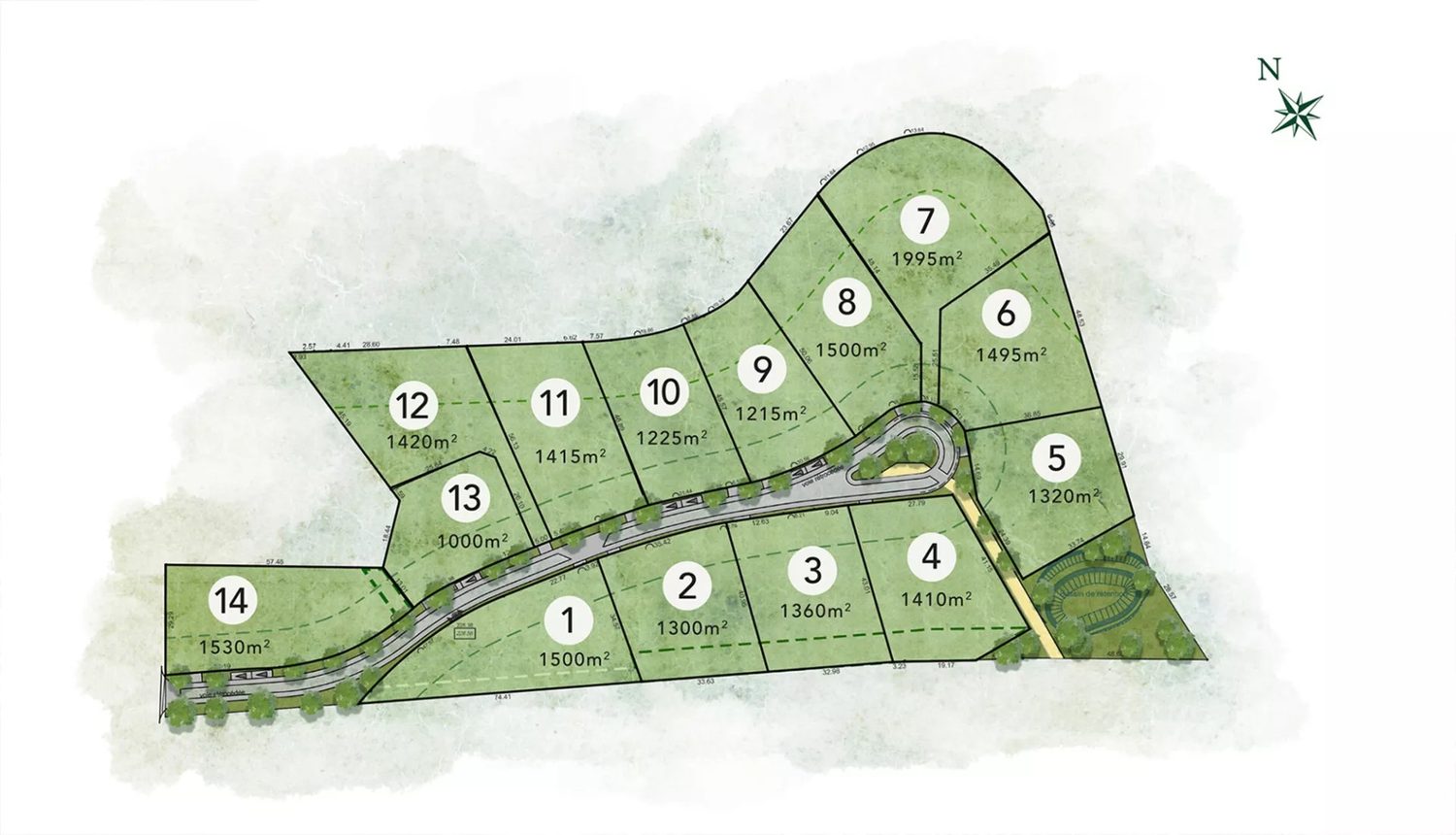
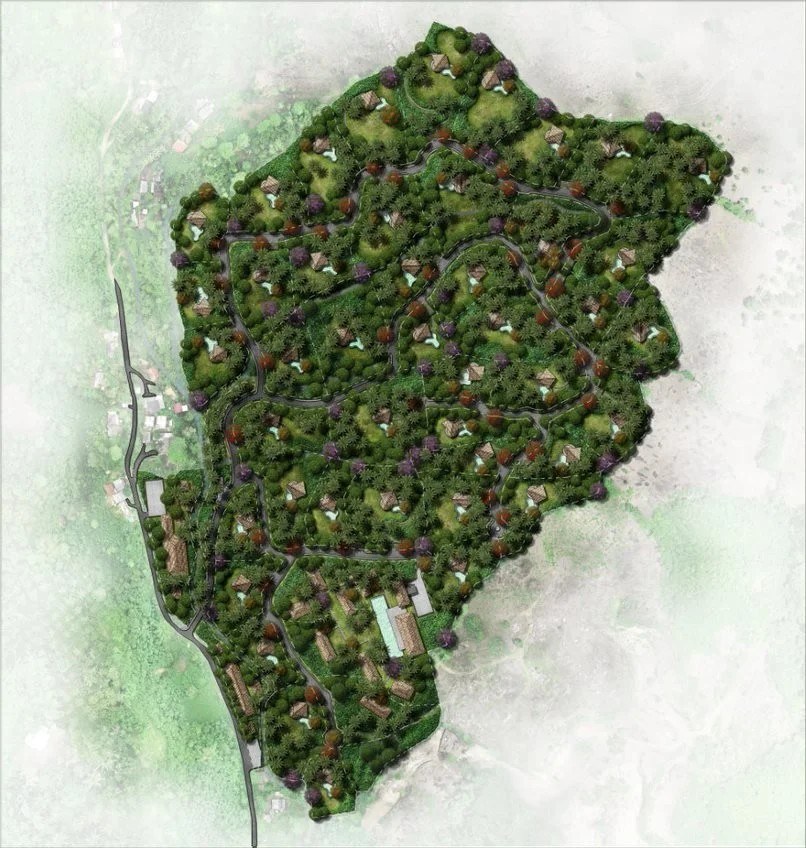
We went through what was genuinely available on Lombok in 2025 within their budget — not what was being marketed, which is a shorter and more expensive list. The parcel we recommended sits at Mong, on the Kuta side, inside a development operated by Blackwell Estate: 1,100 m² at €52,000, a little under €48 per square metre.
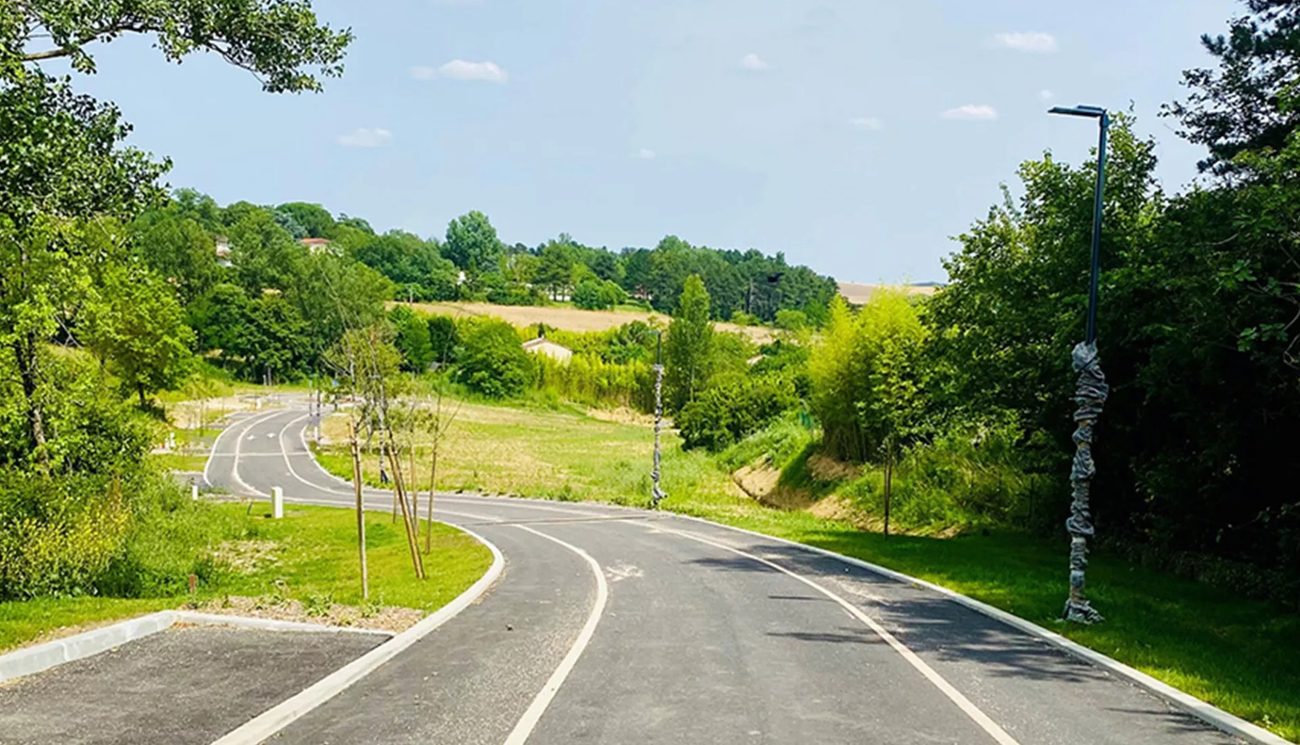
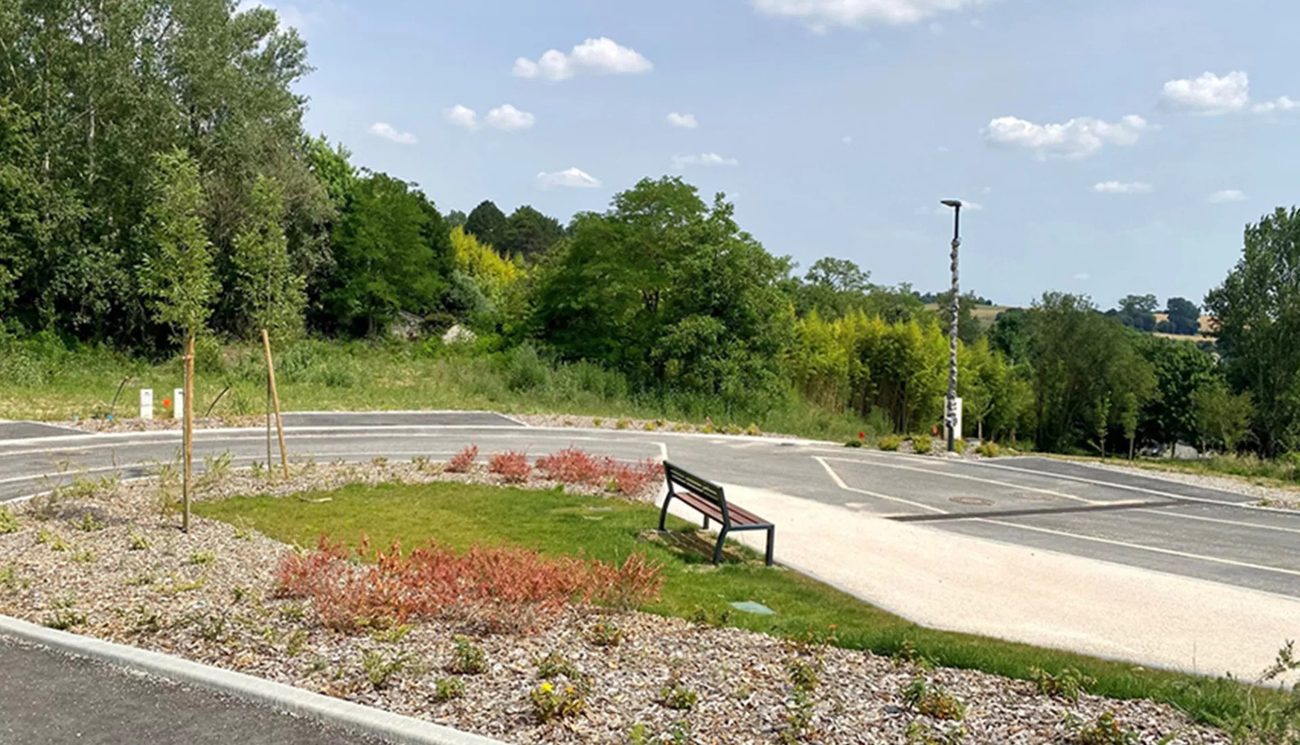
That price carried a bet. The plot is set back from the established Kuta strip, and land that far back is worth whatever the build-out around it eventually makes it worth. So we took the question to the developer and to the municipality rather than to a selling agent: the road and utility programme and when it lands, the build-out commitments, the zoning, what would and would not be permitted. The bet was priced. It was not assumed.
What the land could actually take
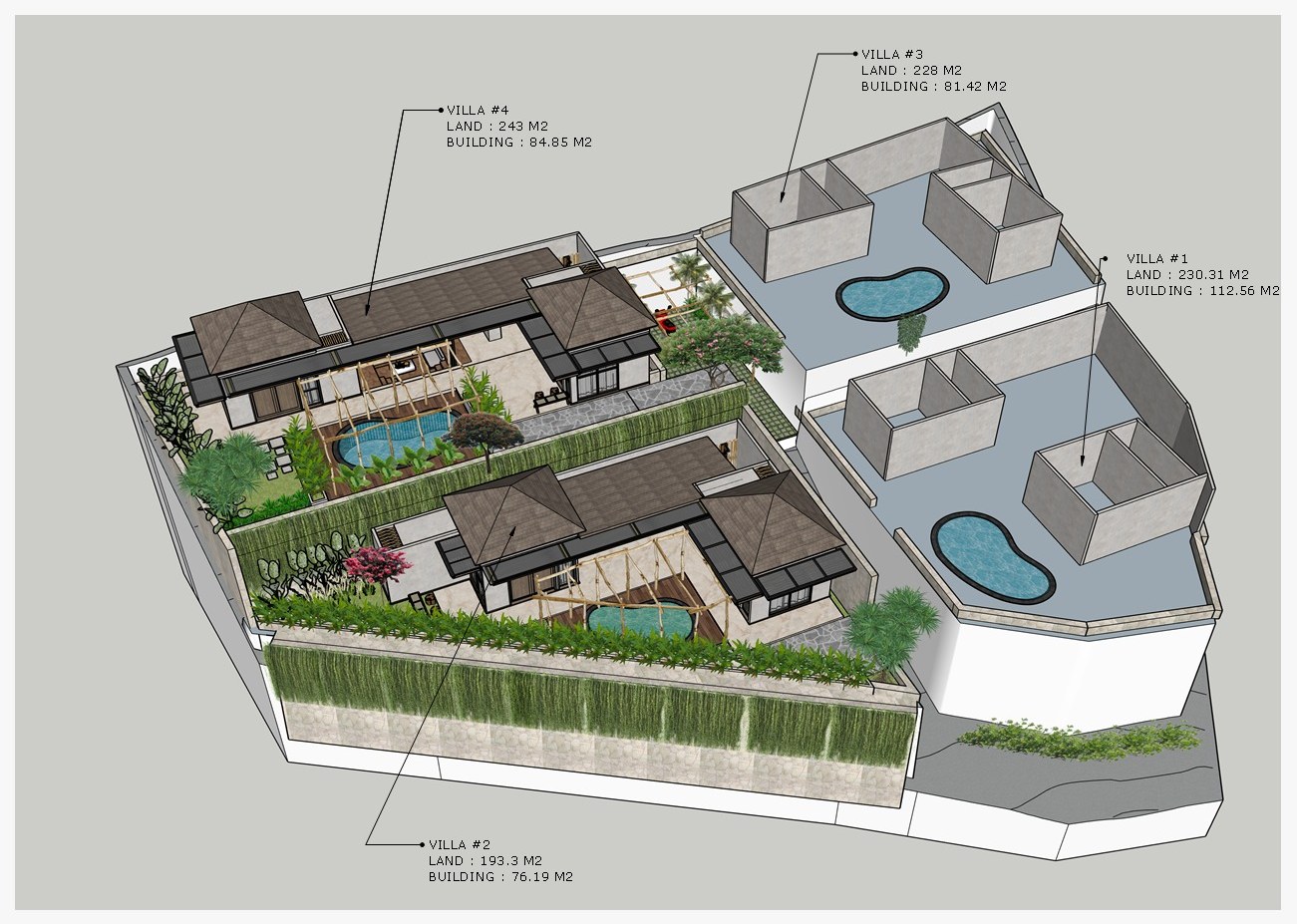
Four villas, not two:
| Villa | Plot | Building | Phase |
|---|---|---|---|
| #4 | 243.00 m² | 84.85 m² | 1 |
| #2 | 193.30 m² | 76.19 m² | 1 |
| #1 | 230.31 m² | 112.56 m² | 2 — open |
| #3 | 228.00 m² | 81.42 m² | 2 — open |
894.61 m² of villa plots out of 1,100 m². The balance is access and shared circulation.
The phasing decision
No debt. A foreign buyer in Indonesia finances with equity or with expensive local debt, and MT and LB could not fund four villas at once. The obvious answer was to buy a smaller plot. We advised against it.
Instead: take the whole 1,100 m², build two villas now on the weaker half, and leave the better half untouched and undecided — to sell on once the estate around it is built and the land repriced, to build the two remaining villas and live in one, or to do something none of us can see from here.
Optionality is only worth something if it is real. So the plot division, the access, the drainage and the title chain were set up at the start, when they cost nothing to get right, so that the second half can be separated later without renegotiating with anyone. That is not a detail of the deal. It is the deal.
The structure
We took them through the notary and set up a PT PMA, the Indonesian foreign-investment company. It holds the building right in the company's own name, so the asset does not rest on a nominee arrangement — which Indonesian law does not recognise. It makes short-stay letting a declared activity, so the income can be received, taxed and repatriated legally. And it makes construction, furnishing, depreciation and running costs deductible against that income, so tax falls on the margin rather than on the gross rent.
It also carries a minimum capital requirement and periodic reporting, which is why we recommended one here and advised against one at Ungasan. The same structure is the right answer on four villas and the wrong one on a single €125,000 build.
What we are doing on it
- Defined the strategy before the search, so the land was chosen against the brief rather than the brief bent to fit the land.
- Verified the bet with the developer and the municipality — road, utilities, build-out, zoning, permitting — before the promise to purchase was signed.
- Ran the feasibility to four villas, which is what turned a two-villa purchase into a phased asset with a second half worth holding.
- Selected the architect, the contractor and the works supervisor, and act as delegated project owner through the notarial work, the PT PMA and the build.
Where it stands
- Land under a preliminary sale agreement
- Two villas in phase one at approximately €71,000 each — around €880 per square metre of built area
- Land plus phase-one construction at approximately €194,000, before fees, furnishing and structure costs
- Works from June 2027; mission ongoing through to delivery
What this shows
A budget that will not cover the whole site is not a reason to buy less land. It is a reason to buy the right land, and to decide at the outset — on the plan and on the title — what the untouched half is allowed to become.
Two first-time investors, an unclear lease, and a villa at 85% occupancy
Open ↓Close ↑
Two French investors, JT and CB, neither of whom had bought anything in Asia before, with land identified at Ungasan on the southern tip of Bali. The transaction was not a sale but a lease transfer, and neither the chain of title nor the remaining term was clear from what they had been shown. They were close to committing.
Advisory and owner's representation. Clients anonymised at their request.
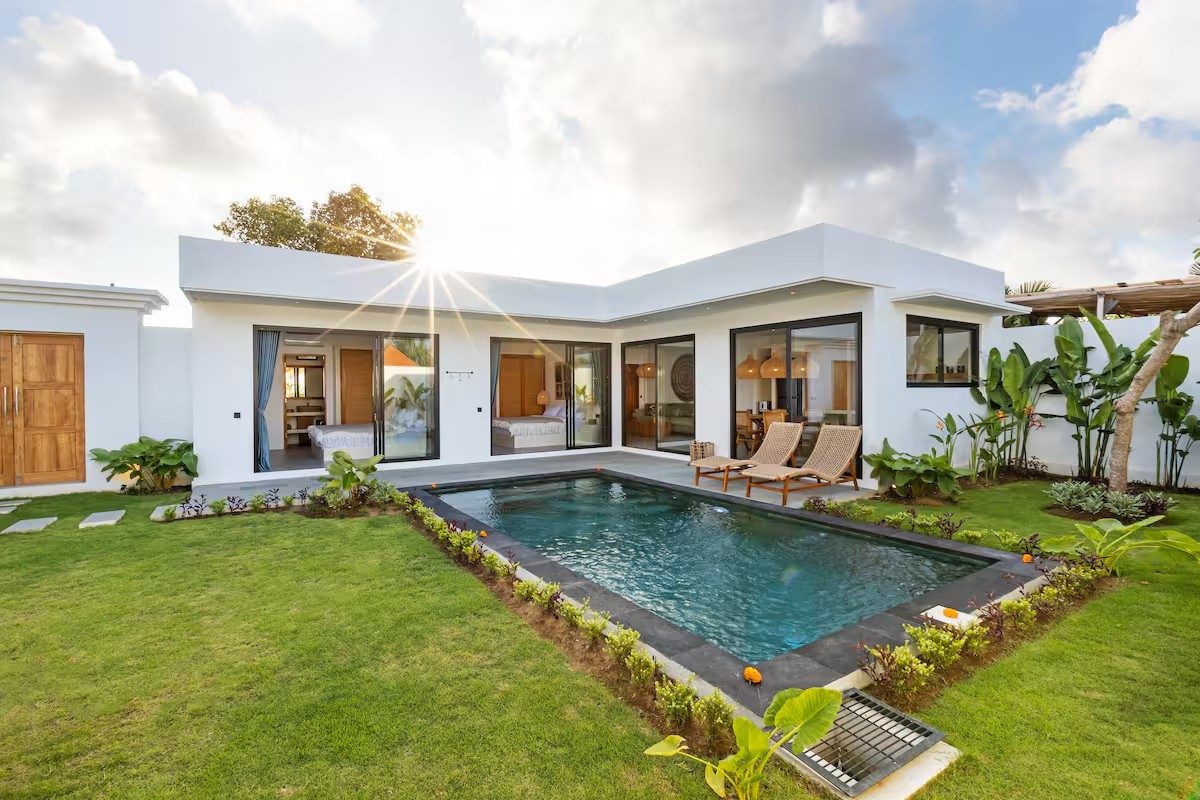
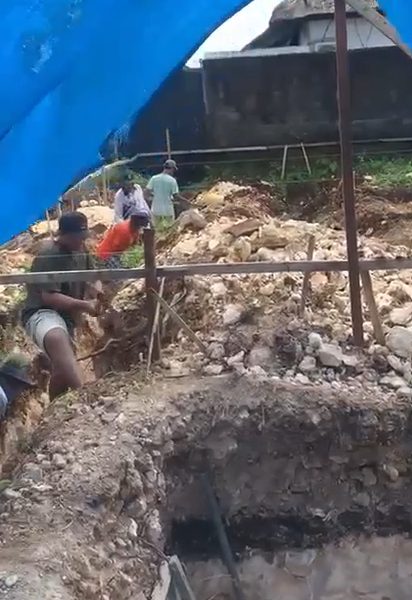
Southern Bali is karst. The excavation set both the build cost and the programme — and it is the stage a remote owner never sees.
The mandate
Tell them whether the opportunity held, and if it did, match the project to what they could actually afford to carry. Then take it through to a delivered, letting asset.
What we did
- Read the paper before the pitch. Contracts, land deeds, chain of title, and what the remaining lease term actually was — the single fact the whole return depended on, and the one least clearly presented to them.
- Recommended a personal holding structure rather than a PT PMA. A foreign-owned company is the reflex answer in Indonesia and the wrong one at this scale: the compliance cost and reporting burden would have consumed a meaningful share of the yield on a €125,000 project.
- Sized the product to the investors, not to the site. The land could have carried more. Their capacity to fund a longer build and a longer void could not. We set the programme against the second constraint.
- Defined the architectural and landscape brief with the architect, then held the design to it — on the owners' side of the table rather than the designer's.
- Modelled the return on seasonal occupancy, not on an annual average — an annualised assumption is how these projects are mis-sold.
The difficulty
The project had to be profitable and photogenic at once. On a short-stay rental the finish is not decorative — platform photography drives the booking rate, so it is a yield input with a cost attached. Spend too little and occupancy never reaches the assumption; spend too much and the payback runs past the point the lease term allows.
The lease term set the outer limit on how long the payback could be allowed to run, which meant the specification decision and the title question were the same decision. That is not how it had been presented to them.
Outcome
- €125,000 total project cost, delivered in full
- 85% occupancy achieved
- Capital payback projected at five to six years
- Two first-time investors in Asia who had hesitated for a long time, and did not lose money learning
What this shows
In an unfamiliar jurisdiction, the return is decided by the documents long before it is decided by the design.
A stream, a track and a price that ignored both — we advised against buying
Open ↓Close ↑
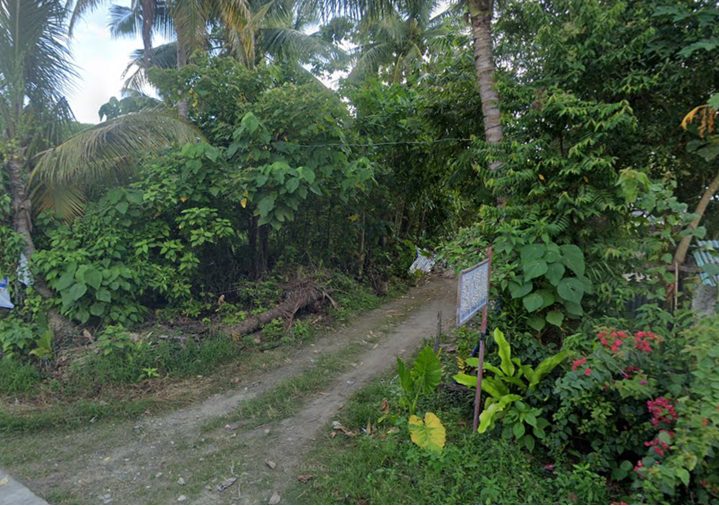
Two French private investors, SK and NK, had found a 650 m² leasehold parcel at General Luna, Siargao, and intended to build two small rental villas on it. The selling agent's numbers looked attractive. They asked us to check them before committing.
Feasibility and market study. Clients anonymised at their request.
What we found
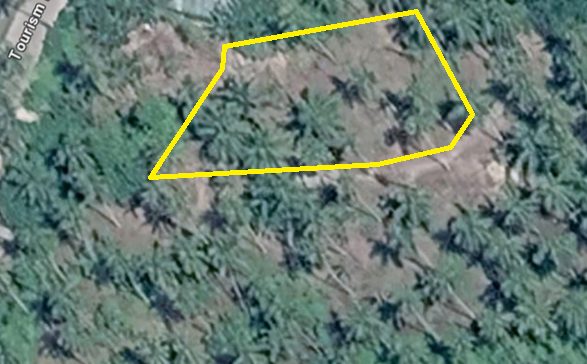
- A watercourse crossing the plot. Filling it was treated as a formality by the seller. It is not: it changes the foundation design, the drainage obligations and the flood behaviour of the site, and it is a cost nobody had priced.
- Second-row position. No sea frontage, on an island where nightly rate is set almost entirely by proximity to the water.
- An access track that fails in heavy rain. On a short-stay asset, access is not a detail. Guests who struggle to arrive write about it, ratings fall, and occupancy follows — which is the assumption the whole model rests on.
- Climate exposure. Siargao sits in a typhoon corridor. That is not a reason to avoid the island; it is a reason to price insurance, downtime and rebuild reserve into the return, which the agent's figures did not.
- The result, once all of it was costed: payback at eight to ten years on a leasehold with a finite term, against a land price set for a plot without any of these problems.
The recommendation
Do not buy. The island was right and the timing was reasonable; this particular parcel was not, and the price made no allowance for the three things that would decide the outcome.
They did not buy. They kept their capital, and they are still looking — with a clear list of what to check on the next one.
What this shows
The most valuable thing an advisor produces is sometimes a recommendation not to proceed. It is also the only one you can be sure was not written to earn a commission.