Independent real estate & urban development advisory for Southeast Asia, built on eight years of land development in France and two years advising on projects across the region. We help investors, landowners and developers decide what to build — and whether to build at all — before any capital is committed.
Independent real estate & urban development advisory for Southeast Asia. We help investors, landowners and developers decide what to build — and whether to build at all — before any capital is committed.
Start a conversation →For landowners and investors, before anything is committed. What the land can carry, what the market will absorb, and what the numbers have to look like for the project to stand up.
For European investors or developers with a future project in the region. We set up the holding structure with local lawyers and notaries before anything is signed then act as your owner's representative on the ground, accountable for the programme, the schedule and the relationships.
For developers who have the land and need the scheme to be right. We are not architects. We are the owner's judgement on the design, and we hold the plan to the standard that makes it liveable and sellable.
Advising a client rather than investing yourself? We work behind wealth managers and asset managers as their technical layer — how that works.
By the time an architect is appointed, the decisions that decide the outcome have already been made. What the land can carry. Who the buyer is. Whether the municipality will follow. They are the cheapest to get right and the most expensive to reverse.
Rather than a portfolio: what was in the way, what was decided, and what it produced — including the one we advised a client not to buy.
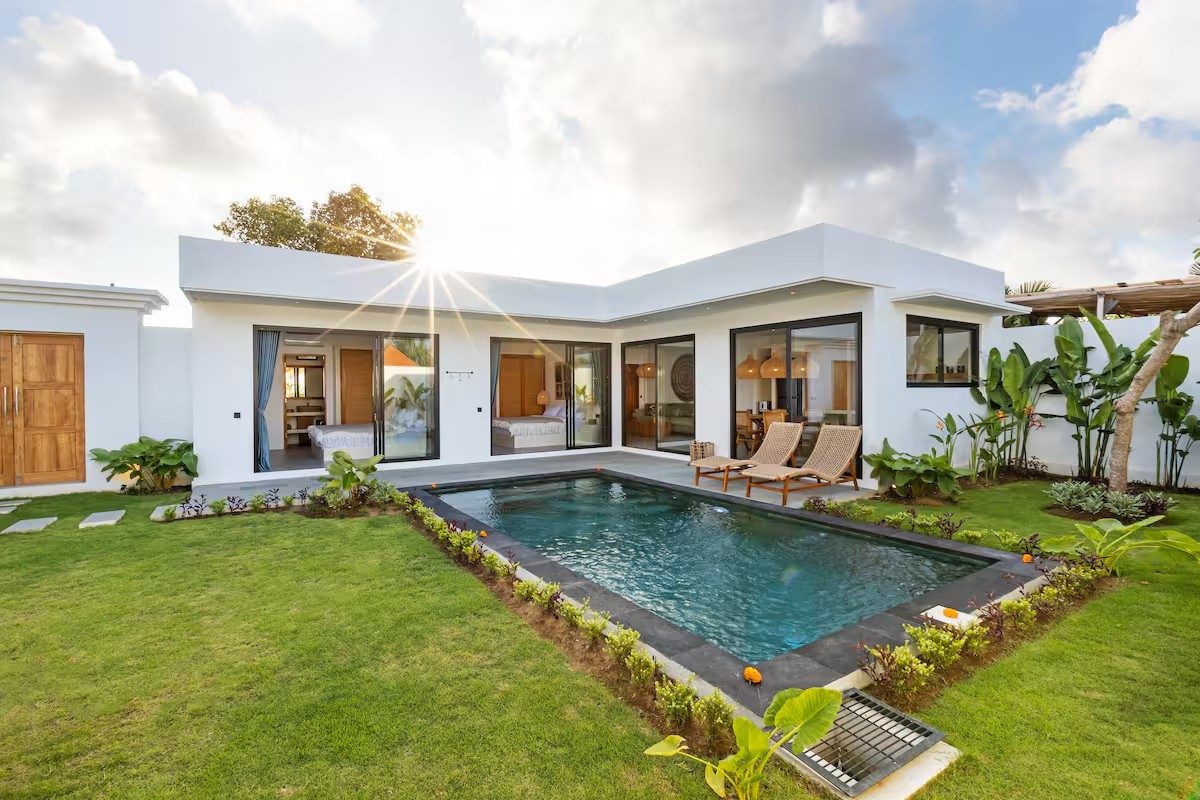
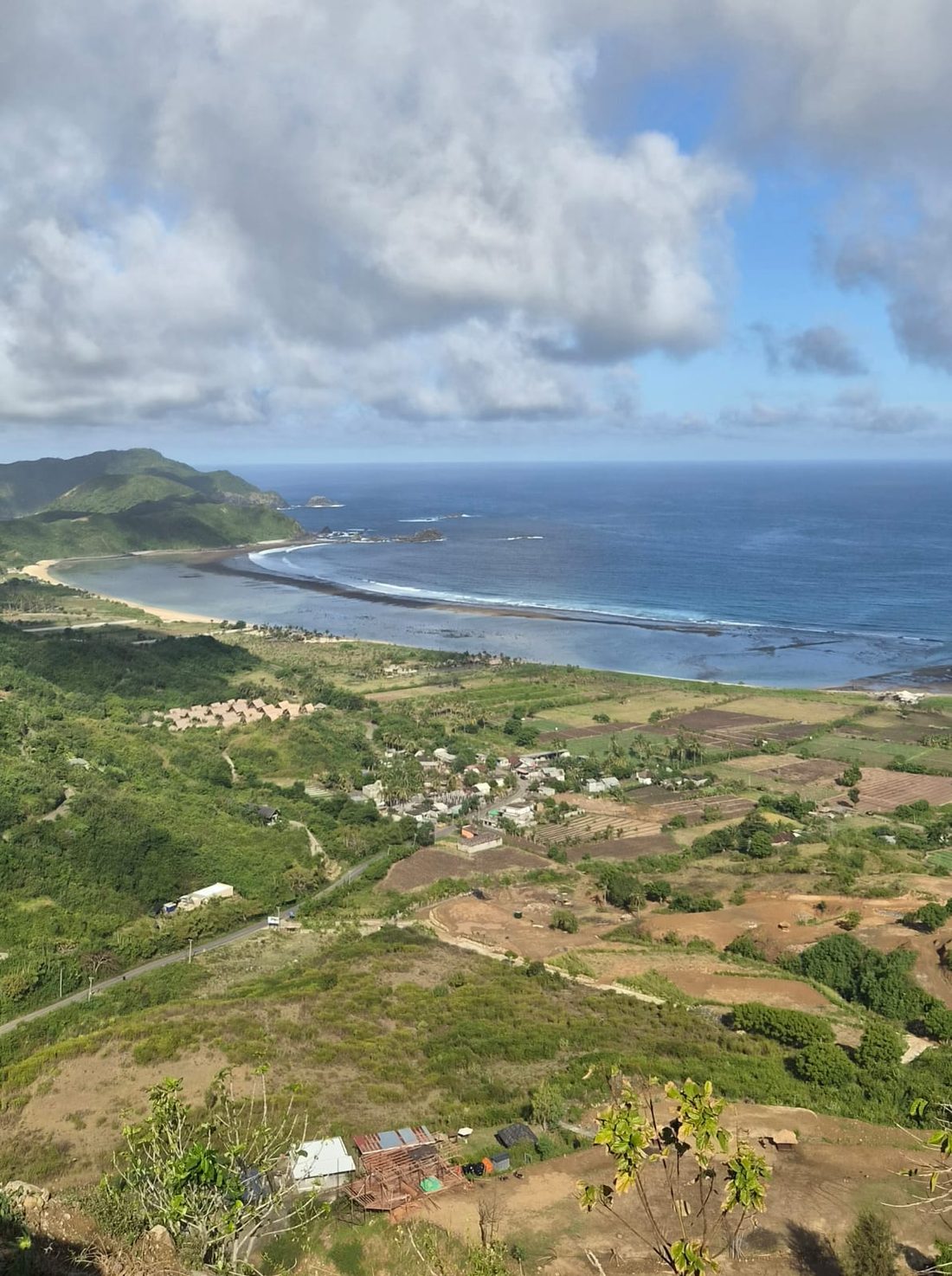
MT and LB, French, engaged us in August 2025. They wanted two rental villas on Lombok, and they wanted somewhere to live on the island themselves. Those are two different briefs. The land had to answer both, or it was the wrong land.
Strategy, land search, feasibility and delegated project ownership. Project name: Terraflora. Clients anonymised at their request.
A rental villa wants the cheapest land a paying guest will still travel to. A home wants somewhere you would be happy to wake up. The two pull against each other on location, on plot size and on how fast you have to build — so we wrote the strategy before looking at a single parcel, and searched against a specification rather than reacting to what happened to be on the market.
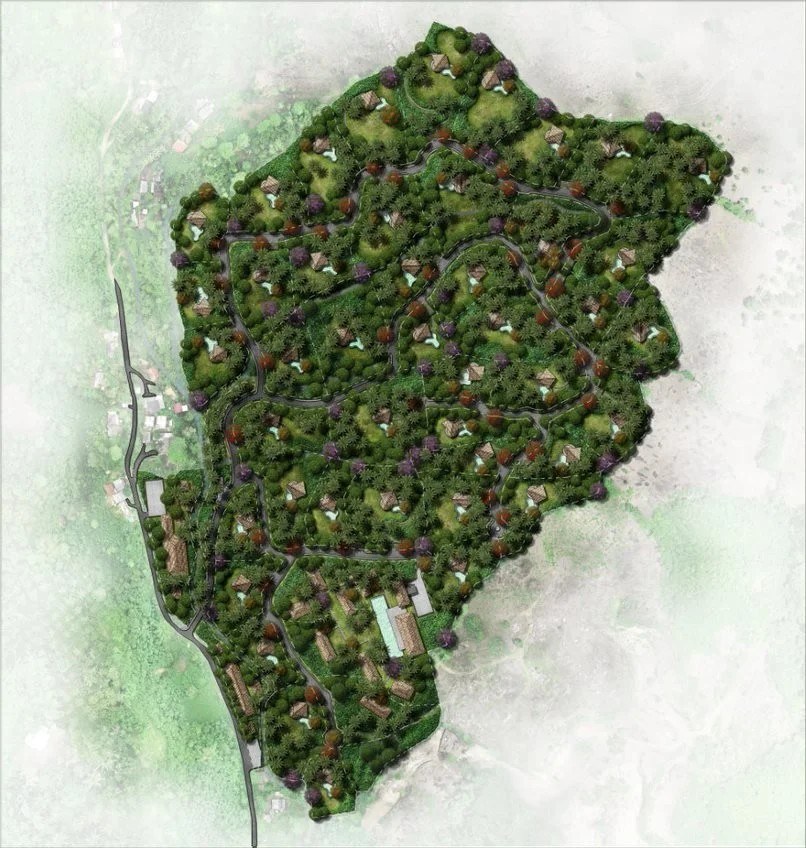
We went through what was genuinely available on Lombok in 2025 within their budget — not what was being marketed, which is a shorter and more expensive list. The parcel we recommended sits at Mong, on the Kuta side, inside a development operated by Blackwell Estate: 1,100 m² at €52,000, a little under €48 per square metre.
That price carried a bet. The plot is set back from the established Kuta strip, and land that far back is worth whatever the build-out around it eventually makes it worth. So we took the question to the developer and to the municipality rather than to a selling agent: the road and utility programme and when it lands, the build-out commitments, the zoning, what would and would not be permitted. The bet was priced. It was not assumed.
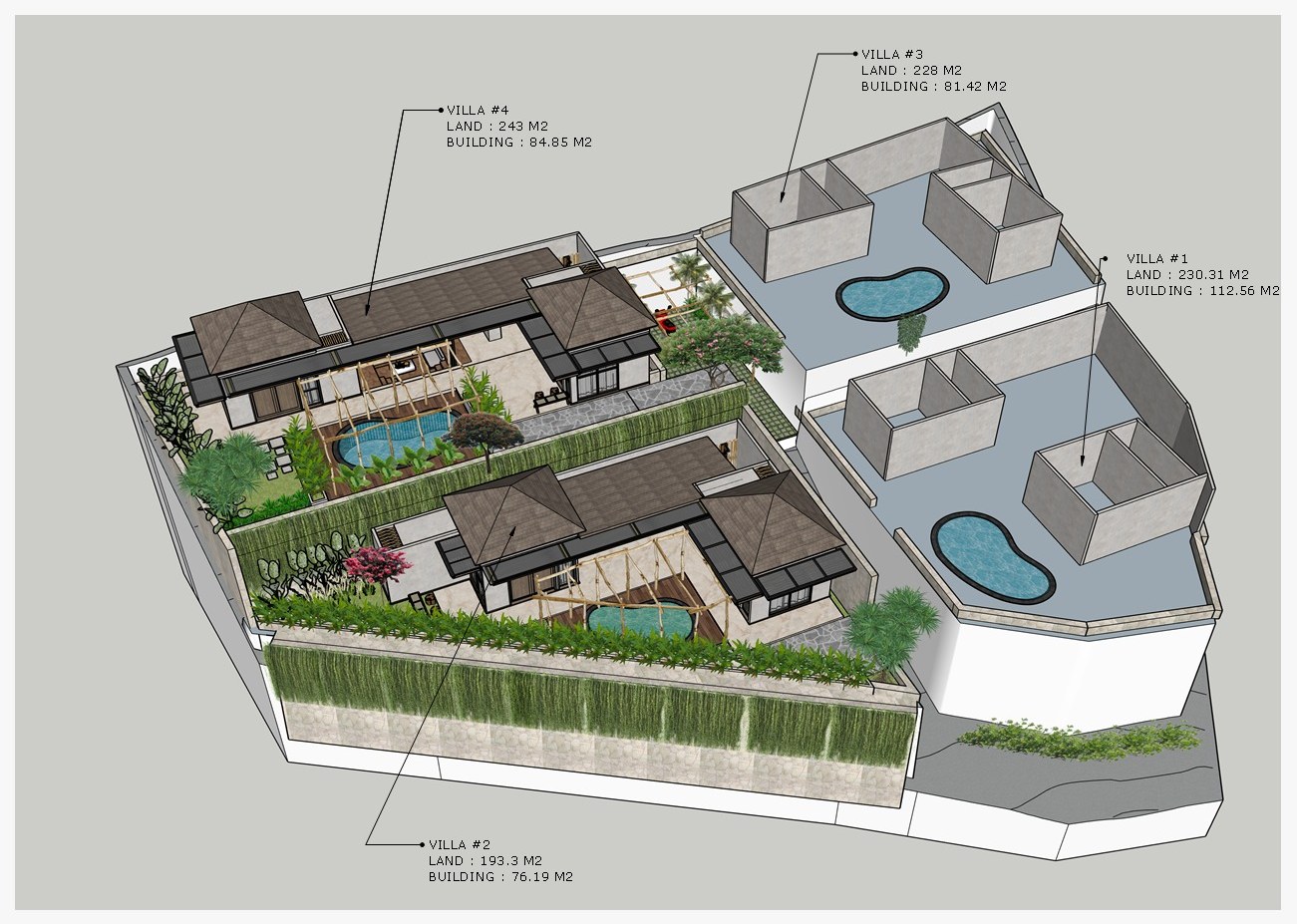
Four villas, not two:
| Villa | Plot | Building | Phase |
|---|---|---|---|
| #4 | 243.00 m² | 84.85 m² | 1 |
| #2 | 193.30 m² | 76.19 m² | 1 |
| #1 | 230.31 m² | 112.56 m² | 2 — open |
| #3 | 228.00 m² | 81.42 m² | 2 — open |
894.61 m² of villa plots out of 1,100 m². The balance is access and shared circulation.
No debt. A foreign buyer in Indonesia finances with equity or with expensive local debt, and MT and LB could not fund four villas at once. The obvious answer was to buy a smaller plot. We advised against it.
Instead: take the whole 1,100 m², build two villas now on the weaker half, and leave the better half untouched and undecided — to sell on once the estate around it is built and the land repriced, to build the two remaining villas and live in one, or to do something none of us can see from here.
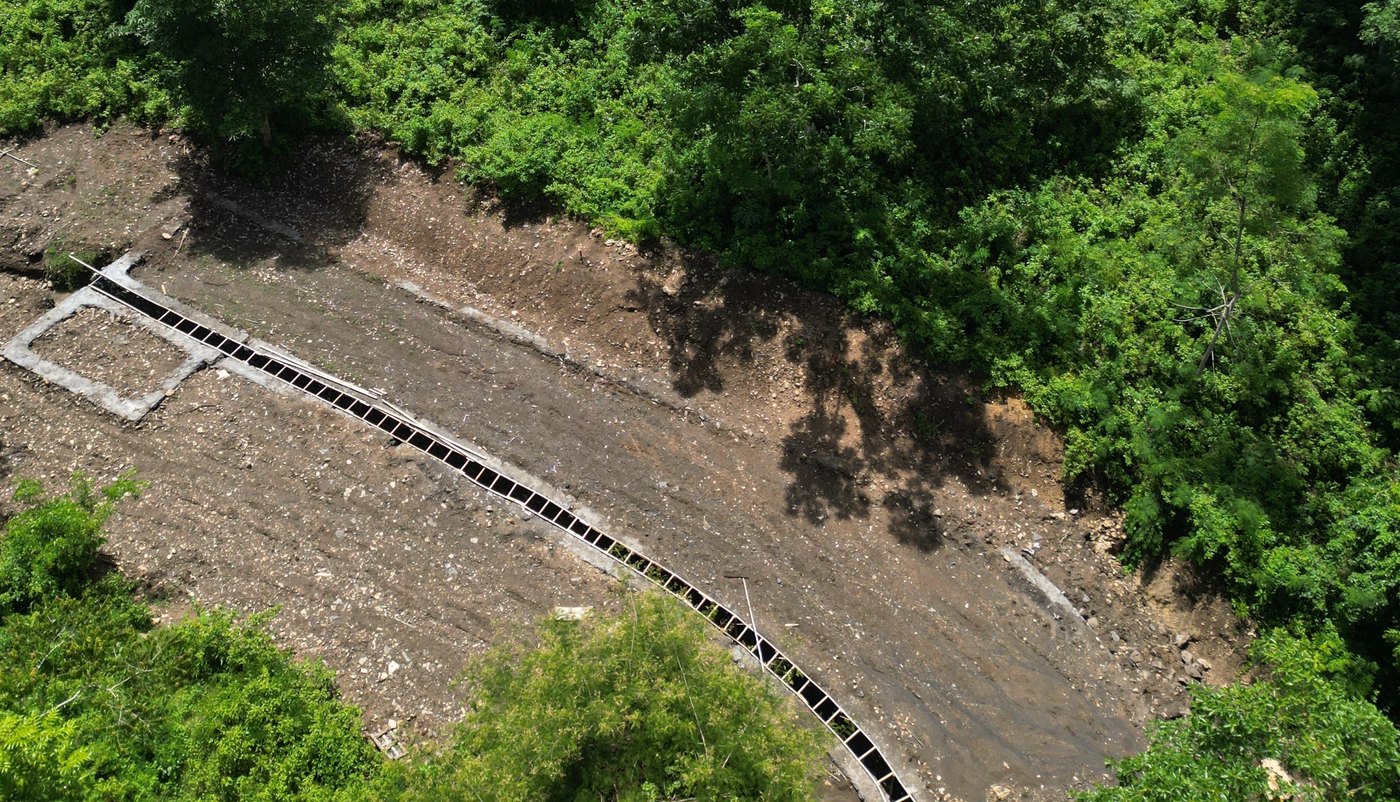
Optionality is only worth something if it is real. So the plot division, the access, the drainage and the title chain were set up at the start, when they cost nothing to get right, so that the second half can be separated later without renegotiating with anyone. That is not a detail of the deal. It is the deal.
We took them through the notary and set up a PT PMA, the Indonesian foreign-investment company. It holds the building right in the company's own name, so the asset does not rest on a nominee arrangement — which Indonesian law does not recognise. It makes short-stay letting a declared activity, so the income can be received, taxed and repatriated legally. And it makes construction, furnishing, depreciation and running costs deductible against that income, so tax falls on the margin rather than on the gross rent.
It also carries a minimum capital requirement and periodic reporting, which is why we recommended one here and advised against one at Ungasan. The same structure is the right answer on four villas and the wrong one on a single €125,000 build.
A budget that will not cover the whole site is not a reason to buy less land. It is a reason to buy the right land, and to decide at the outset — on the plan and on the title — what the untouched half is allowed to become.
Two French investors, JT and CB, neither of whom had bought anything in Asia before, with land identified at Ungasan on the southern tip of Bali. The transaction was not a sale but a lease transfer, and neither the chain of title nor the remaining term was clear from what they had been shown. They were close to committing.
Advisory and owner's representation. Clients anonymised at their request.
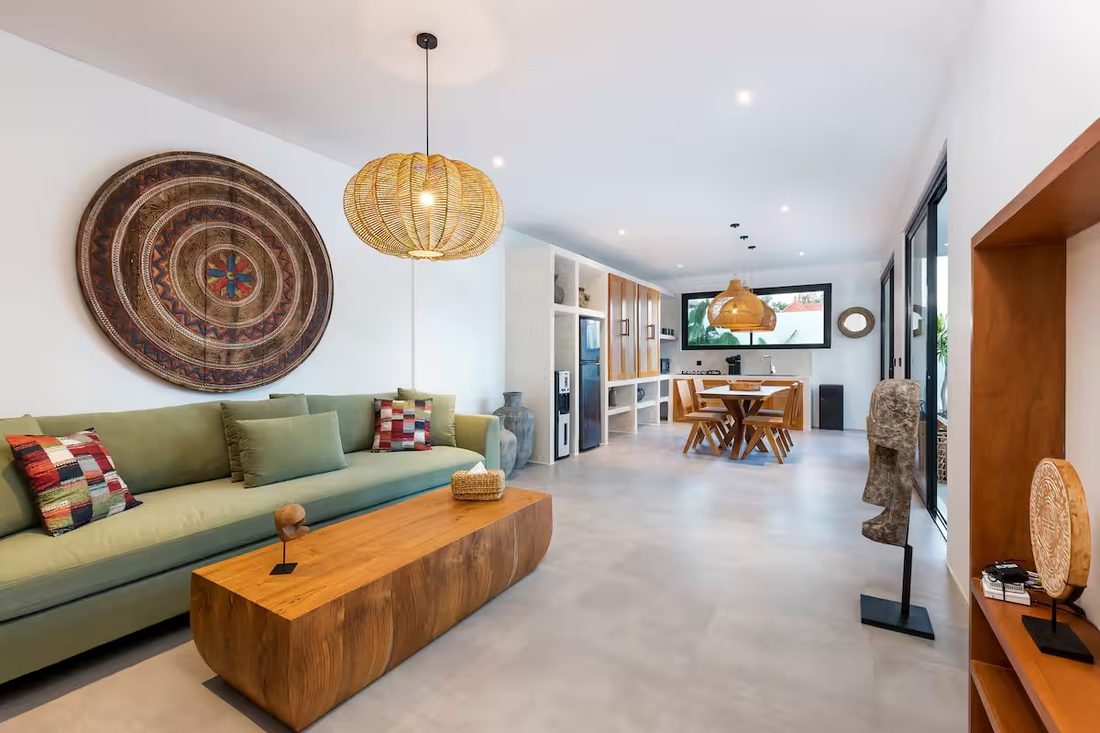
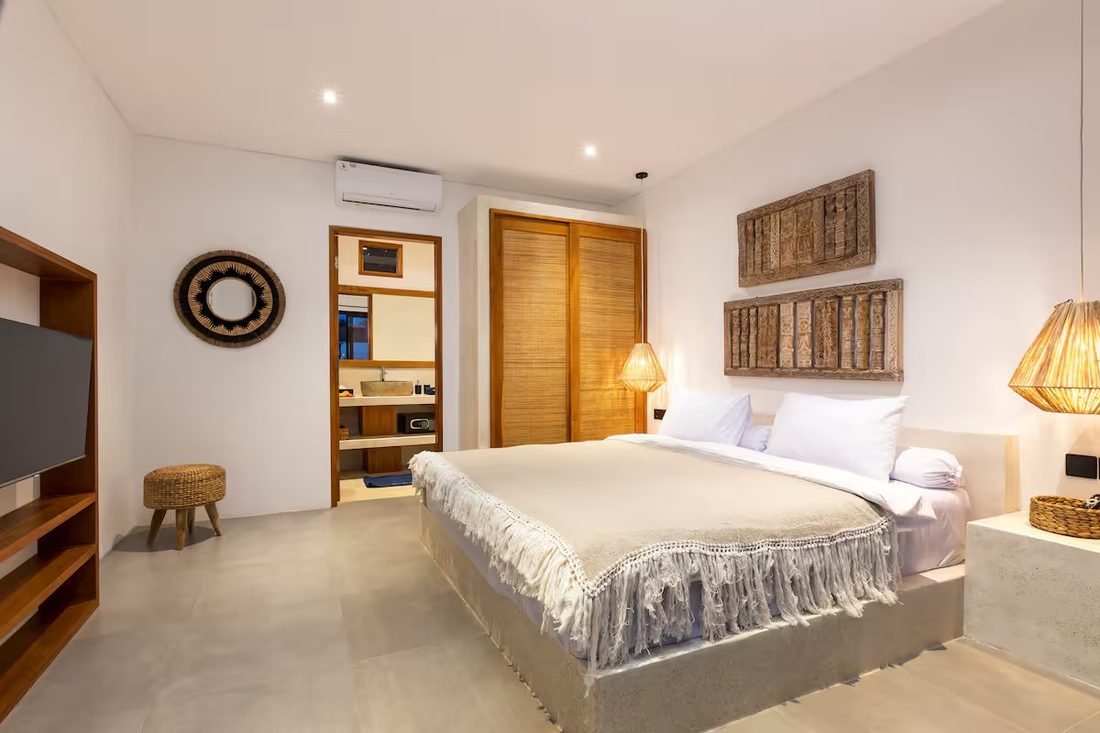
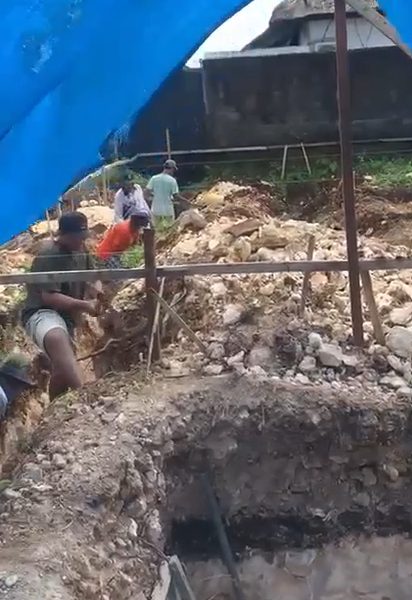
Southern Bali is karst. The excavation set both the build cost and the programme — and it is the stage a remote owner never sees.
Tell them whether the opportunity held, and if it did, match the project to what they could actually afford to carry. Then take it through to a delivered, letting asset.
The project had to be profitable and photogenic at once. On a short-stay rental the finish is not decorative — platform photography drives the booking rate, so it is a yield input with a cost attached. Spend too little and occupancy never reaches the assumption; spend too much and the payback runs past the point the lease term allows.
The lease term set the outer limit on how long the payback could be allowed to run, which meant the specification decision and the title question were the same decision. That is not how it had been presented to them.
In an unfamiliar jurisdiction, the return is decided by the documents long before it is decided by the design.
Two French private investors, SK and NK, had found a 650 m² leasehold parcel at General Luna, Siargao, and intended to build two small rental villas on it. The selling agent's numbers looked attractive. They asked us to check them before committing.
Feasibility and market study. Clients anonymised at their request.
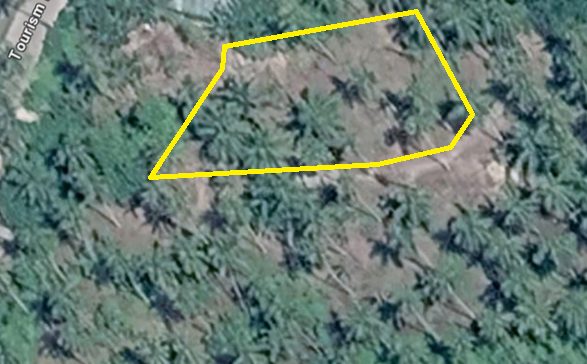
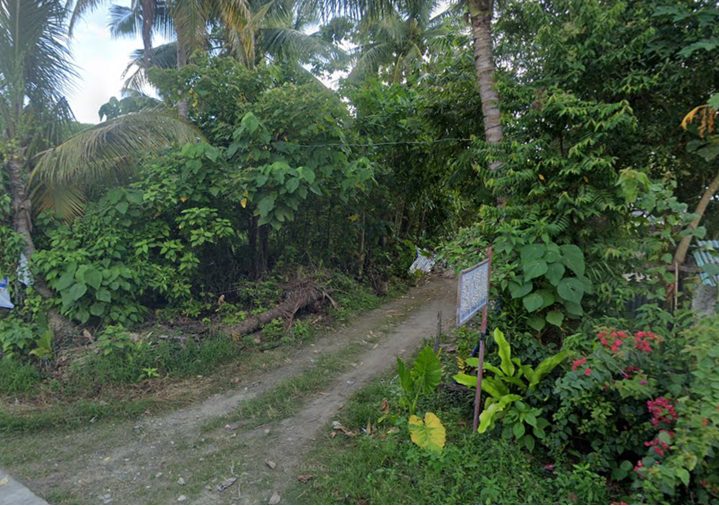
Do not buy. The island was right and the timing was reasonable; this particular parcel was not, and the price made no allowance for the three things that would decide the outcome.
They did not buy. They kept their capital, and they are still looking — with a clear list of what to check on the next one.
The most valuable thing an advisor produces is sometimes a recommendation not to proceed. It is also the only one you can be sure was not written to earn a commission.
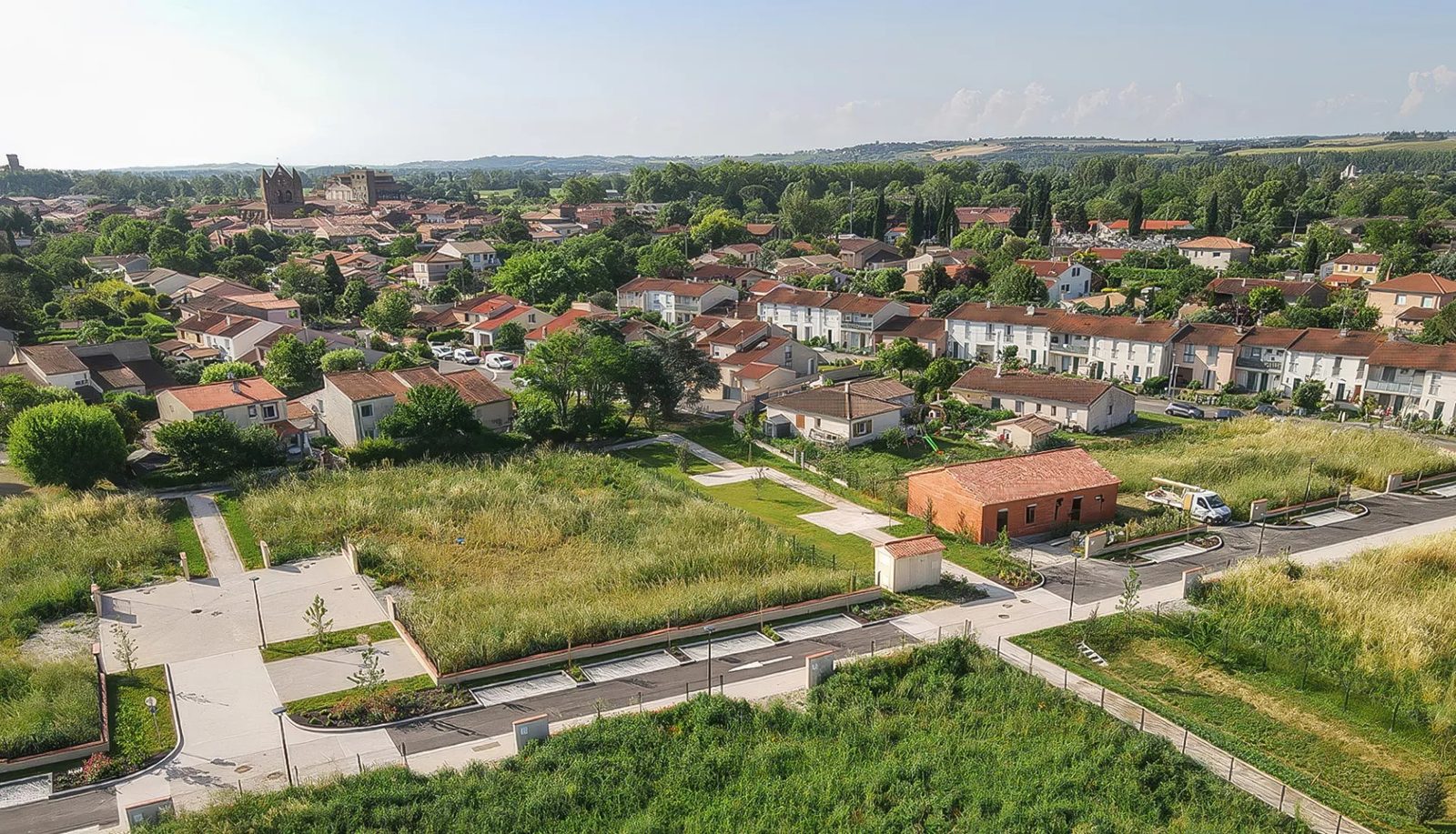
A two-hectare gap site fifteen minutes south of Toulouse, sitting between two completed subdivisions — and inside the protected setting of the Canal du Midi, a UNESCO World Heritage site. The land was held in four separate ownerships, including the commune itself and a competing developer, and no party held enough of it to build anything alone. It had stayed undeveloped for that reason, not for any reason to do with the market. The initial programme was fifty homes.
Work completed at HECTARE as Developer & Project Manager. Co-owners and adjoining parties anonymised.
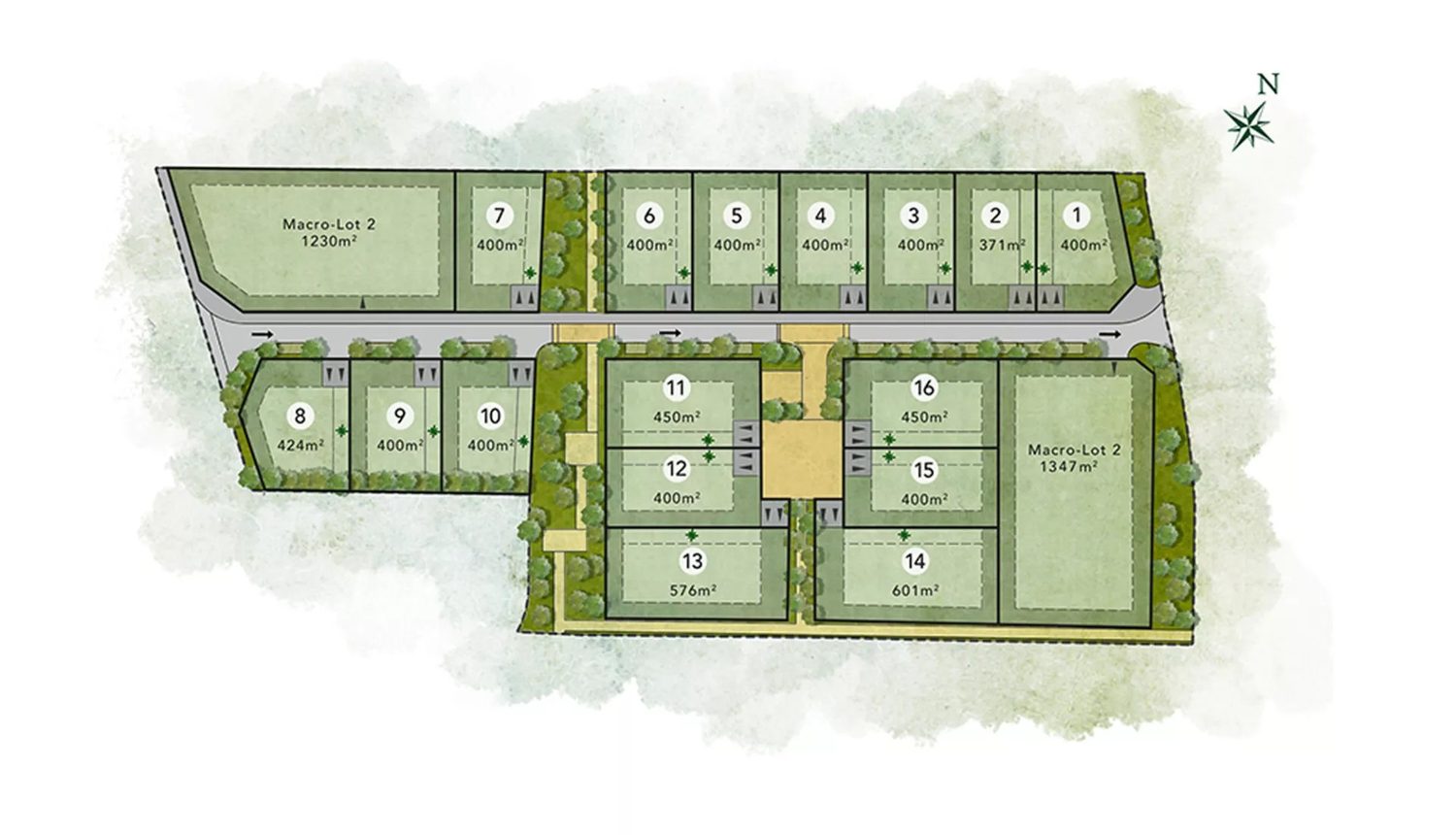
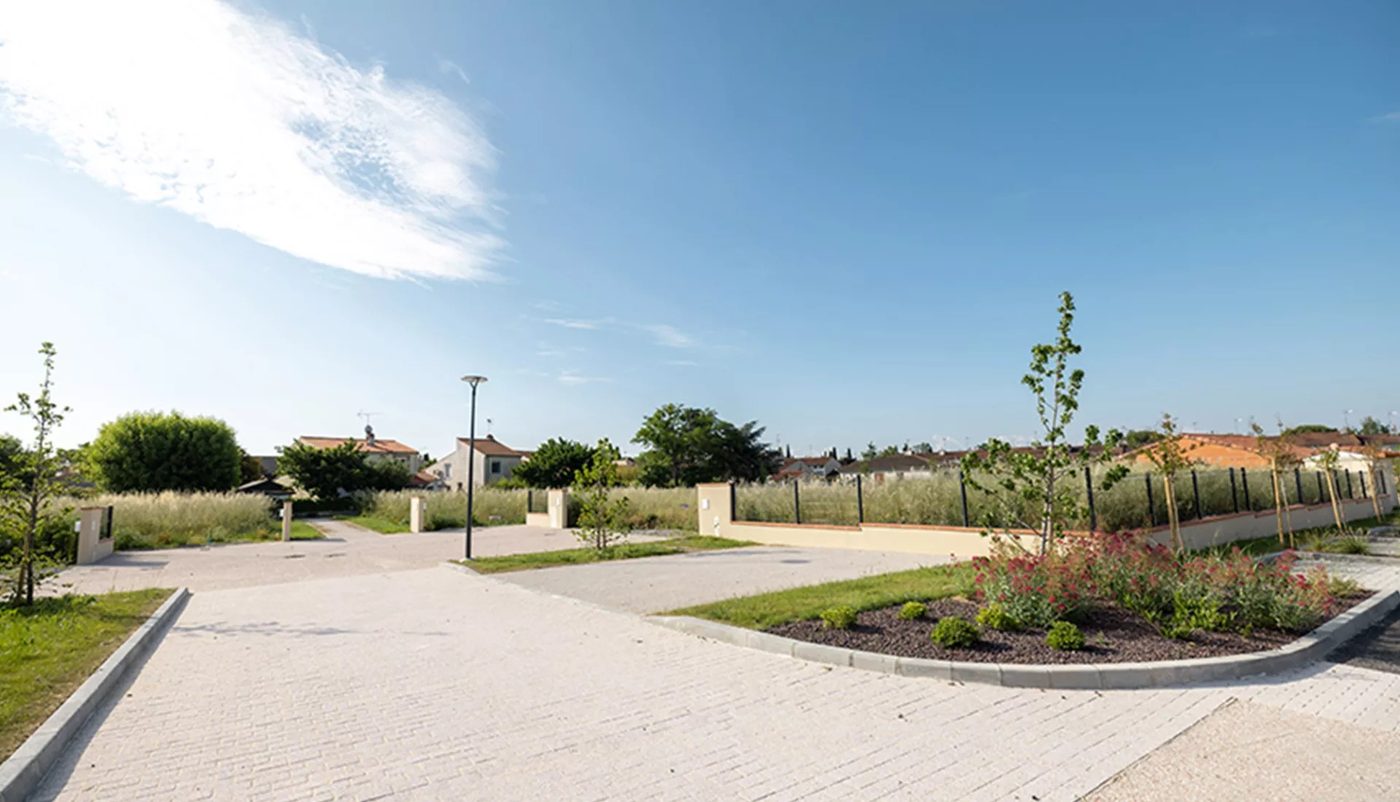
Establish whether the scheme could be consented and started at all, given the ownership structure and the number of parties with the ability to stop it. If yes, deliver it.
Four owners with divergent expectations, one of them the consenting authority and one of them a competitor with every reason to slow the file. A site inside the protected perimeter of a UNESCO World Heritage site, placing it under the binding authority of the French state heritage architect — a veto over materials, roof pitch, colour and layout. Network capacity below what the programme required, which cut it from fifty homes to thirty-three before design had begun. A social housing quota and an imposed typology mix, neither of which shrank with the programme. And an organised group of neighbours who did not want the site developed at all, at any density.
The de-densification was the worst of them. A two-hectare site needs the same spine road, the same drainage and the same connections whether it carries fifty homes or thirty-three. €520,000 of civil works and €85,000 of studies did not shrink with the programme; they simply had to be carried by a third fewer units.
Fragmented ownership is not the reason a site cannot be developed. It is usually the reason it has not been developed yet — which is a different problem, and a solvable one.
A 5.5-hectare greenfield subdivision at Brens, in the Tarn. The brief here was not complexity — it was return. Push the density as far as the plan would allow, but intelligently: large plots where the site could charge for them, compact ones where it could not, and enough product variety that no single buyer segment carried the scheme.
Work completed at HECTARE as Developer & Project Manager, from land negotiation through to delivery and handover.
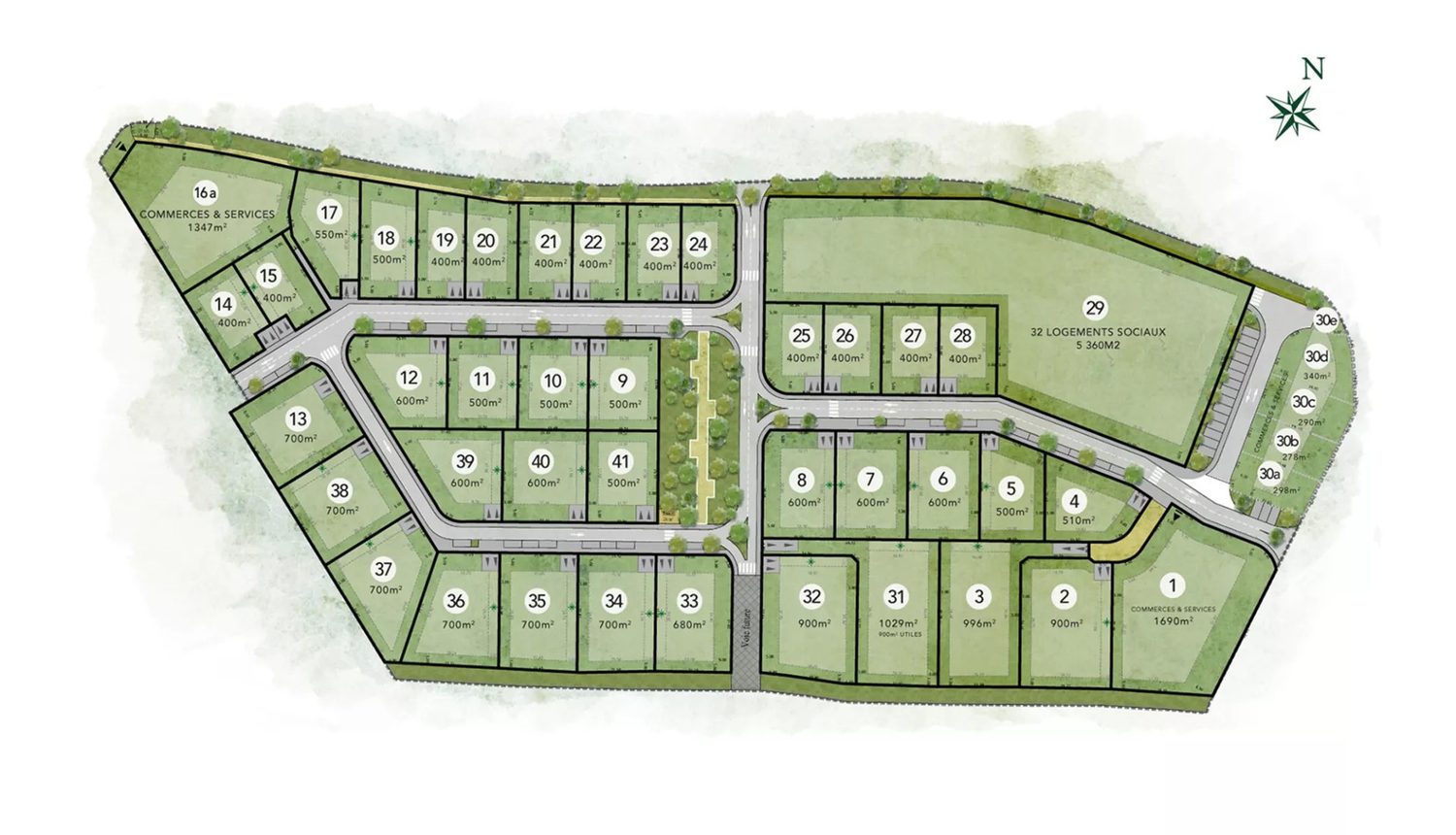
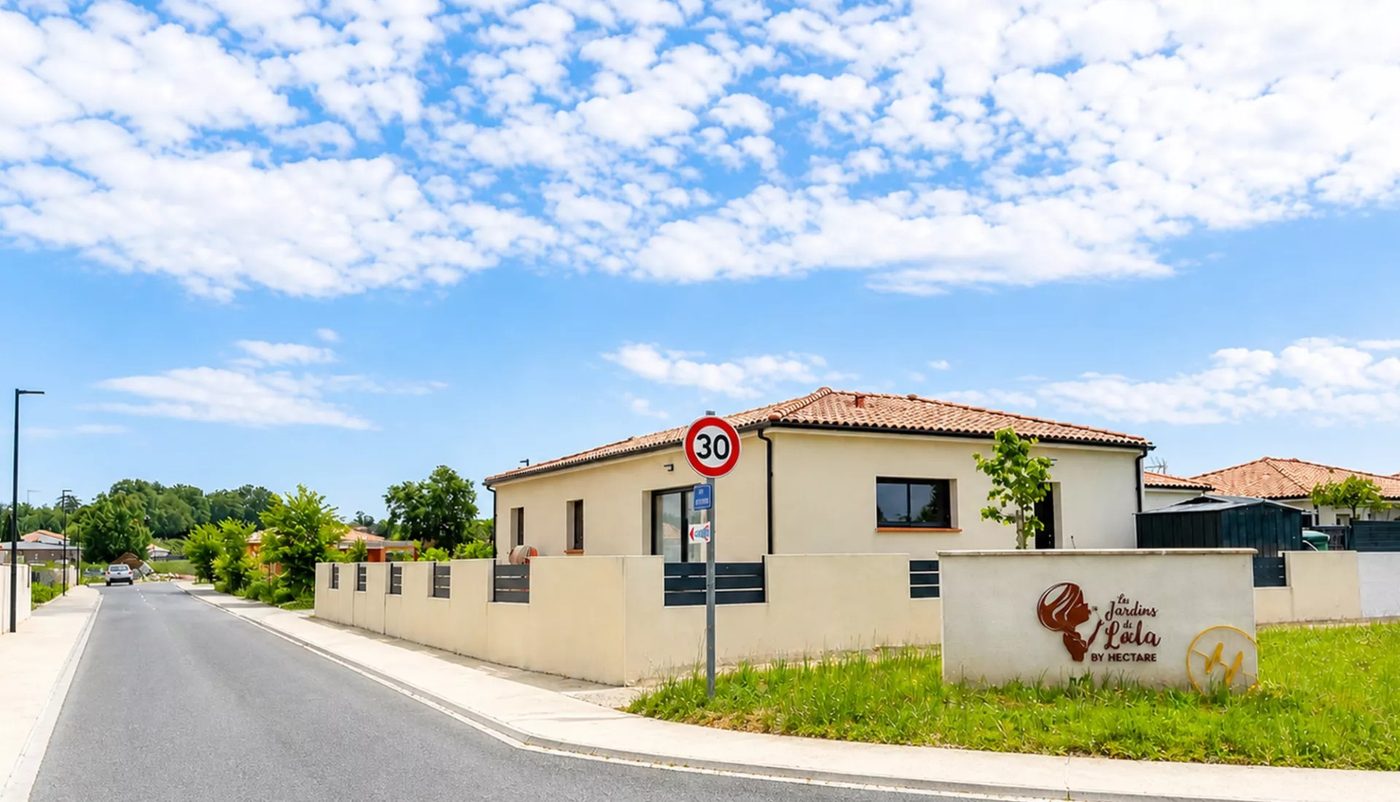
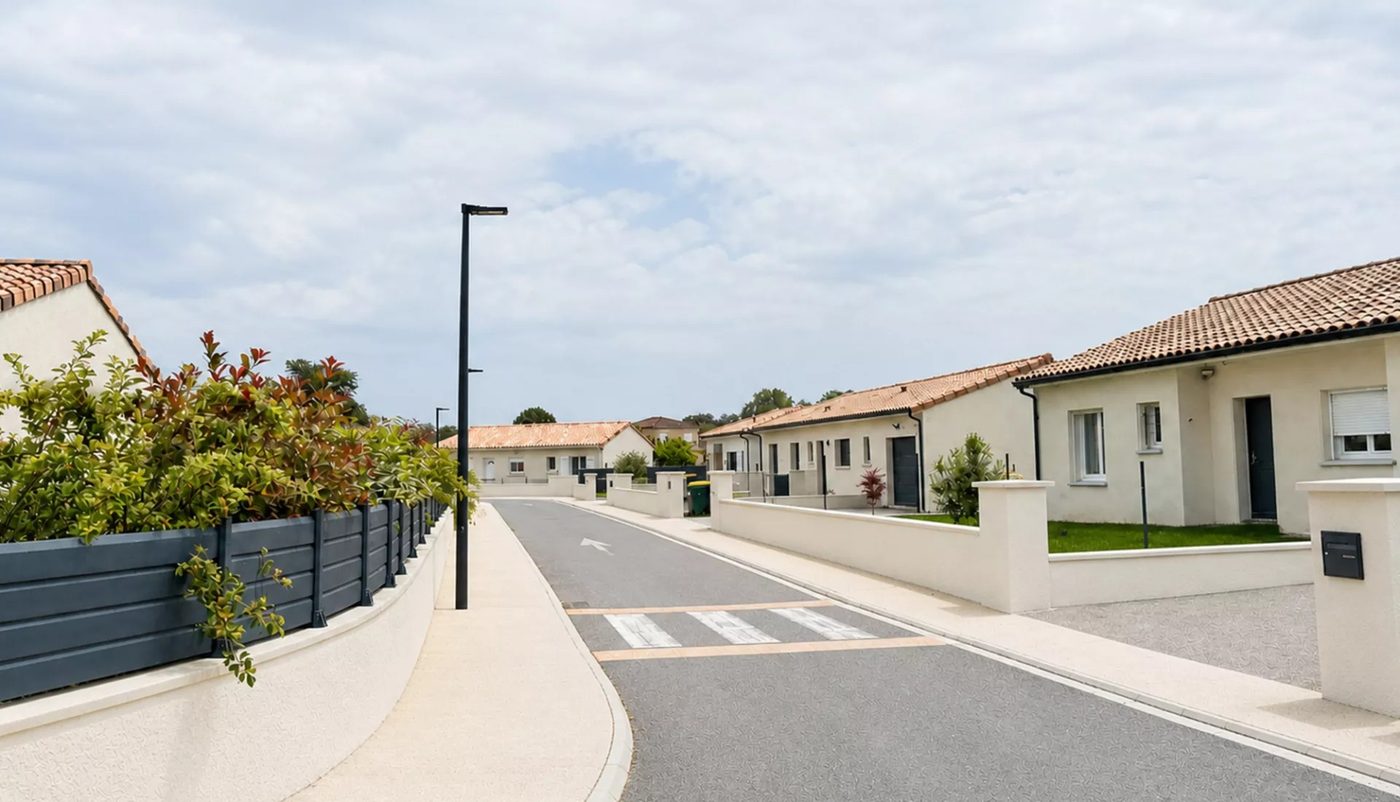
On a large scheme, return does not come from squeezing in more plots. It comes from putting the right plot in the right place, and from a phasing plan that lets the project pay for itself.
A stalled scheme on a sloping site south of Toulouse, abandoned by its previous promoter for want of financing. We took it over, reworked what was wrong with it, and turned it into a small high-end subdivision where each house is designed to sit into the slope rather than flatten it.
Work completed at HECTARE. Previous developer and landowners anonymised.
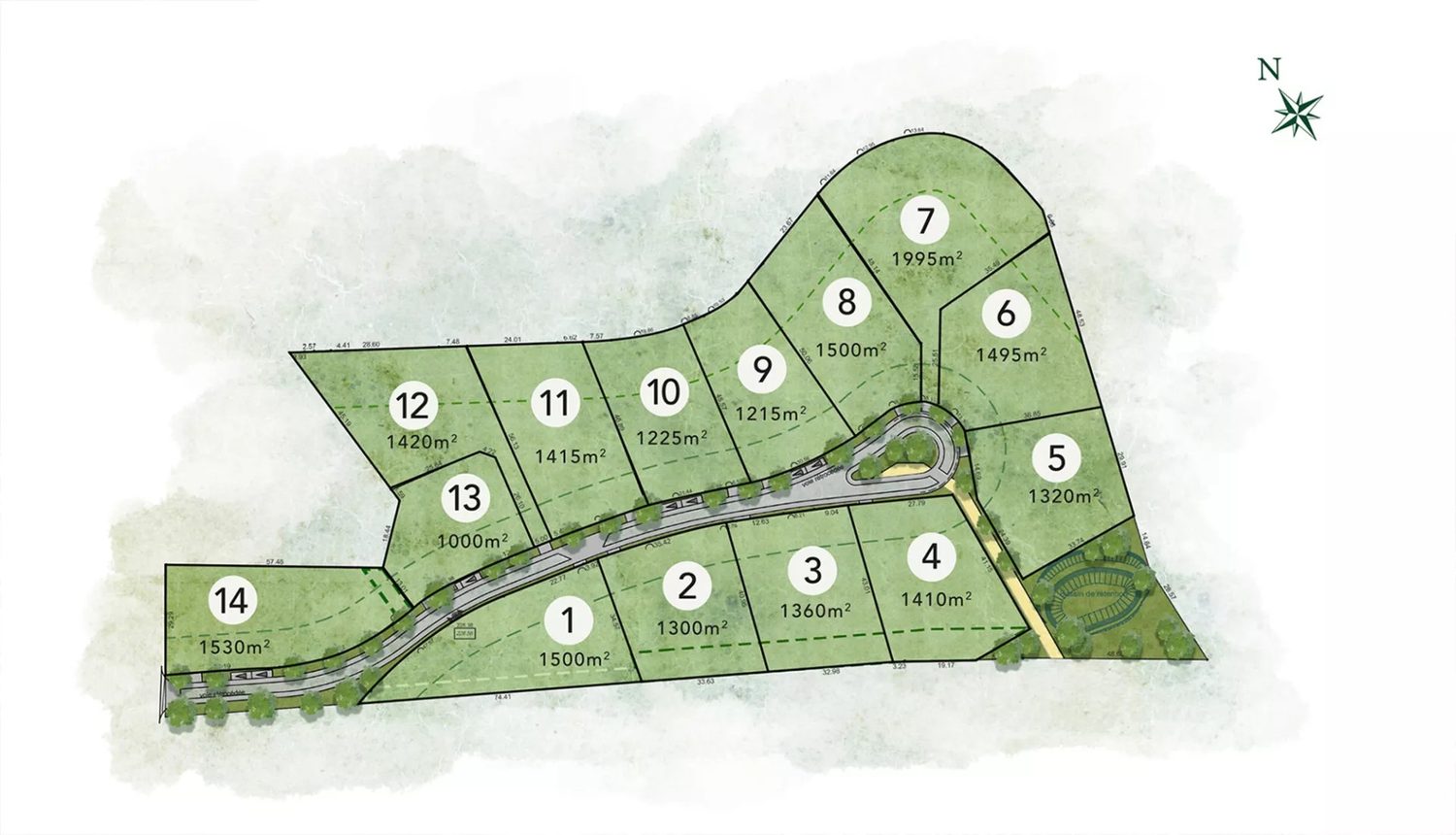
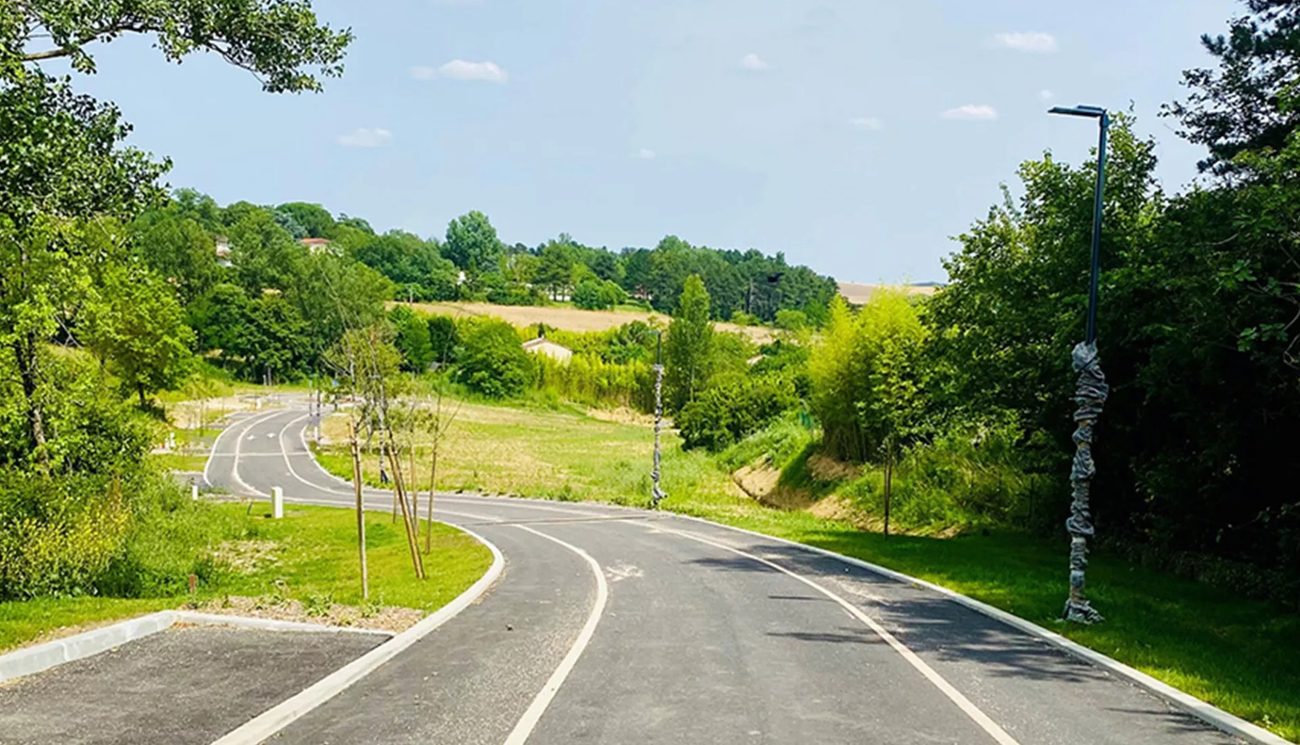
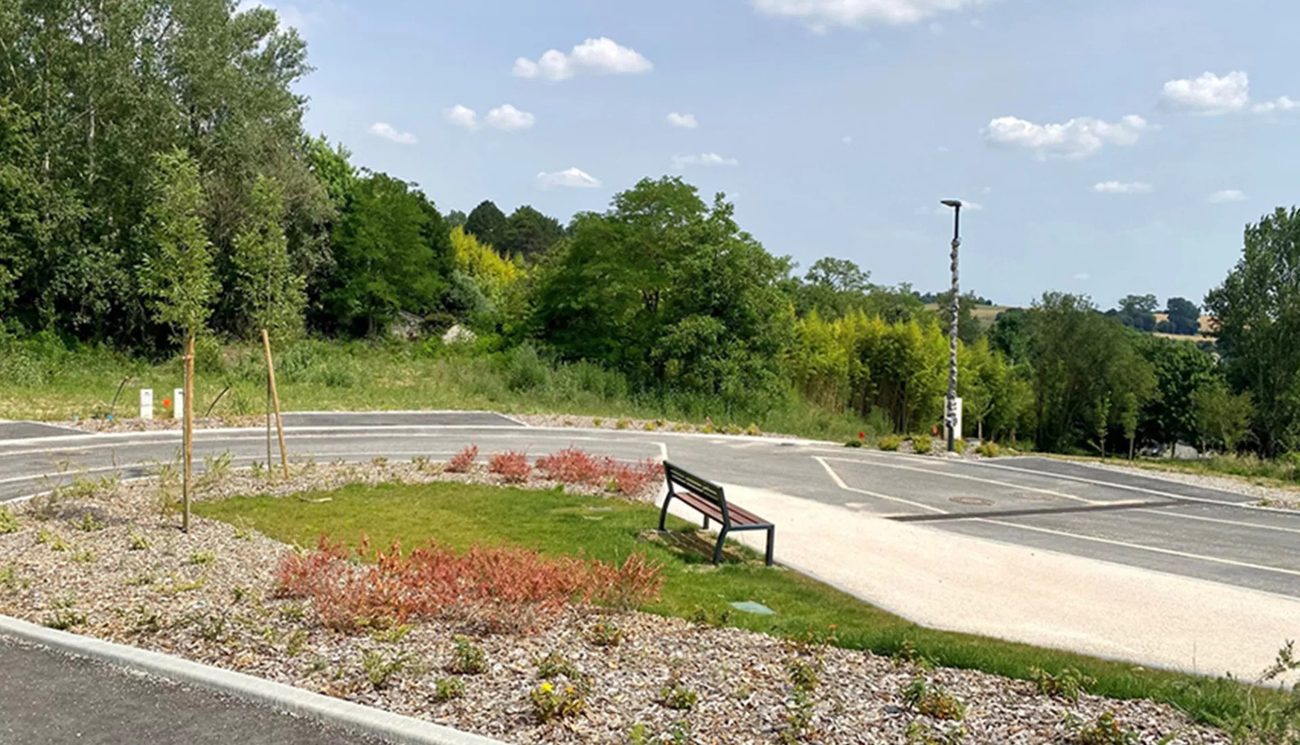
An abandoned scheme is rarely a bad site. It is usually a good site with one unresolved technical problem and a price that was set before anyone found it.
Market notes, site studies and observations from development work in France and Southeast Asia. No newsletter, no gated downloads.